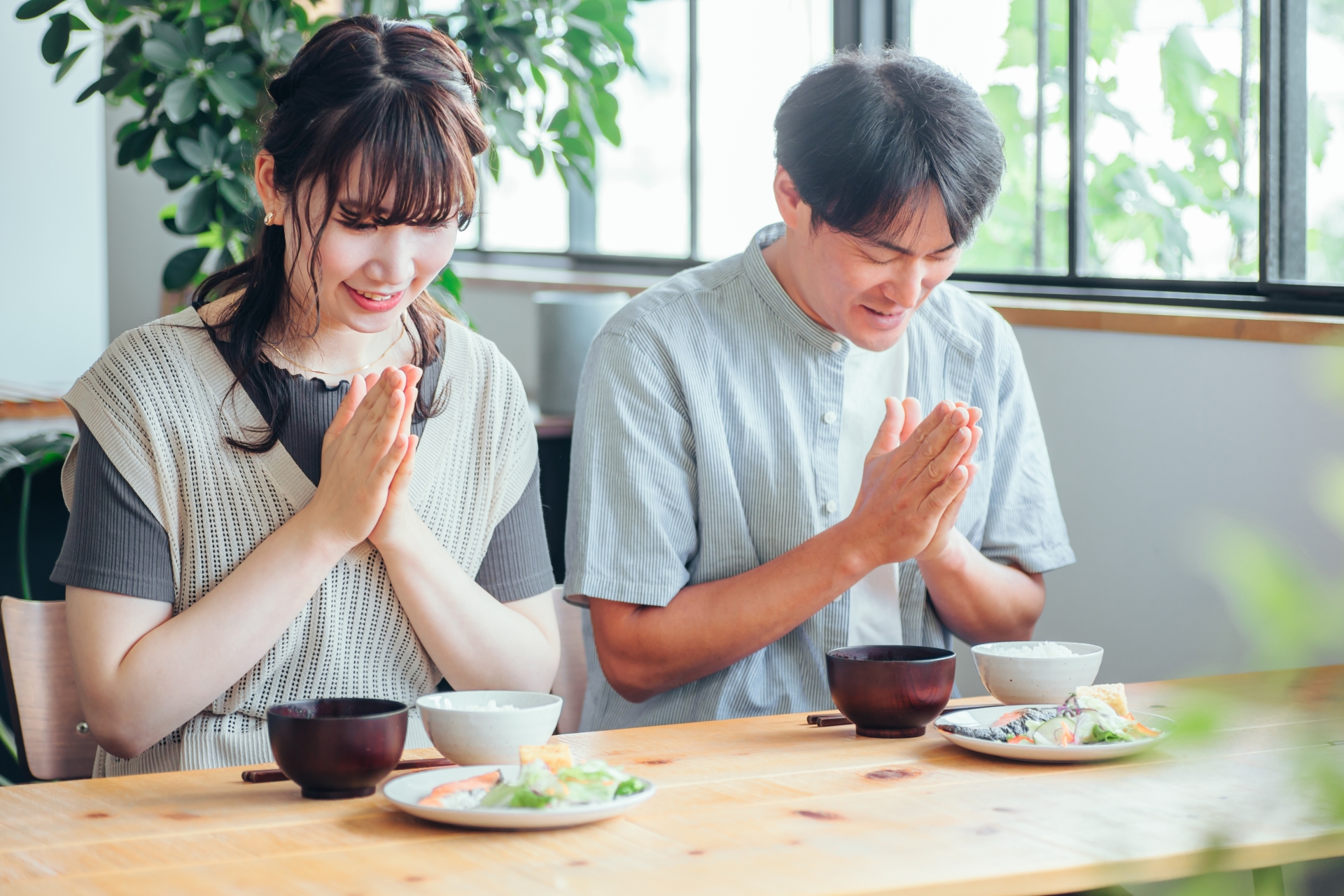
今回は、私の学びから記述した『1日3食と食後の運動』について、英文を練習してみようと思います。
この記事では、1日3食が日本で定着した背景から、食事回数、エネルギーバランス、血糖値、食後の運動までを英語で読んでいきます。英文を読むだけではなく、意味をイメージし、使えるフレーズを覚え、最後はPREPを使って自分の言葉で説明できる状態を目指します。
 AIさん
AIさん最初から英文をすべて覚える必要はありません。まずは「何について話しているのか」を頭の中にイメージしながら読んでみましょう。
この記事は健康な成人が食生活を考えるための一般的な情報です。持病がある方、血糖管理が必要な方、治療中の方は、医師や管理栄養士などの専門家の指示を優先してください。
英語で読んでみましょう
Do you think that eating three meals a day is simply the normal way to eat?
In Japan, the custom of eating three meals a day became common during the Edo period. Before that, many people usually ate two main meals, although snacks and small meals were also eaten when necessary.
Today, however, our lifestyles and food environment are very different from those of people in the past. This raises an important question: Is three meals a day always the best choice for everyone?
To think about this question, we need to look at more than meal frequency. We also need to consider total energy intake, energy expenditure, nutrition, meal timing, and physical activity.
Over the long term, body weight is strongly affected by the balance between the energy we take in and the energy we use. Meal timing and meal frequency may also influence appetite, blood glucose, and how easy it is to maintain a healthy eating pattern, but there is no single meal schedule that is best for everyone.
How did three meals a day become common in Japan?
Until around the middle of the Edo period, two main meals a day were common in Japan. However, this did not necessarily mean that people never ate between those meals.
For example, samurai in the Kamakura period generally ate two main meals, but they could carry portable food when training or fighting. Rice balls were useful because they were easy to carry and eat. There is also a well-known story that rice balls with pickled plums were provided to warriors during the Jōkyū War in 1221.
As society developed, daily routines began to change. During the Edo period, lighting oil became more widely available. Better and more affordable lighting allowed people to remain active for longer after sunset.
When people stay active for more hours, they naturally need more energy. This is one explanation for why an additional meal became useful.
Another theory is connected with the Great Fire of Meireki in 1657. Many workers gathered in Edo to rebuild the city. Physical work required a great deal of energy, and two meals were not always enough. Providing food around midday may have helped make three meals a more familiar pattern among workers.
As workers returned to other parts of Japan and urban culture spread, the three-meal pattern gradually became more common.
In the early Showa period, Japanese nutrition experts also promoted regular meals and adequate energy intake because undernutrition was still an important concern. This historical situation was very different from today’s environment, where high-calorie food is easy to obtain.
In other words, three meals a day developed partly because of social conditions, working patterns, access to food, and the need to obtain enough energy. It was not created as a universal biological rule that every person must follow.
How much energy do we need each day?
Before deciding how often to eat, it is useful to understand how much energy your body needs.
Energy requirements vary according to age, sex, body size, and physical activity. The Dietary Reference Intakes for Japanese provide estimated energy requirements for different groups.
| Age | Men: Low | Men: Moderate | Men: High | Women: Low | Women: Moderate | Women: High |
|---|---|---|---|---|---|---|
| 18–29 | 2,250 kcal | 2,600 kcal | 3,000 kcal | 1,700 kcal | 1,950 kcal | 2,250 kcal |
| 30–49 | 2,350 kcal | 2,750 kcal | 3,150 kcal | 1,750 kcal | 2,050 kcal | 2,350 kcal |
| 50–64 | 2,250 kcal | 2,650 kcal | 3,000 kcal | 1,700 kcal | 1,950 kcal | 2,250 kcal |
| 65–74 | 2,100 kcal | 2,350 kcal | 2,650 kcal | 1,650 kcal | 1,850 kcal | 2,050 kcal |
| 75+ | 1,850 kcal | 2,250 kcal | — | 1,450 kcal | 1,750 kcal | — |
These figures are estimates, not exact targets for every individual. Your actual needs can be higher or lower depending on your body size and daily activity.
For the latest Japanese reference values, see the Dietary Reference Intakes for Japanese published by the Ministry of Health, Labour and Welfare.
Are three meals a day well balanced?
Modern lifestyles are diverse, so the ideal number of meals can vary from person to person.
Still, much of society is organized around breakfast, lunch, and dinner. For many people, using these three meals as a basic framework is practical.
Three regular meals can also make it easier to spread energy and nutrients across the day instead of eating a very large amount at one time.
However, eating three times a day does not automatically make a diet healthy. The amount and quality of food still matter.
Understanding how body fat increases
The basic idea of weight management is simple. Over time, if energy intake is consistently higher than energy expenditure, body weight tends to increase. If energy expenditure is consistently higher than energy intake, body weight tends to decrease.
In reality, the human body is more complicated. Water, glycogen, hormones, digestion, and differences between individuals can all affect body weight. However, long-term energy balance remains an important part of weight control.
After we eat carbohydrates, they are digested mainly into glucose and other simple sugars, while dietary fiber follows a different digestive pathway. Glucose enters the bloodstream, and insulin helps the body move glucose into cells and store or use energy.
It is too simple to say that insulin immediately changes blood glucose into body fat. Some glucose is used directly for energy, and some can be stored as glycogen in the liver and muscles. When energy intake remains higher than the body’s needs, however, the body can store more energy as fat over time.
This is why two familiar strategies can still be useful: choosing foods with enough dietary fiber and avoiding unnecessarily large rises in blood glucose.
- Choose meals that contain vegetables and other sources of dietary fiber.
- Combine carbohydrates with protein, vegetables, and healthy fats rather than eating large amounts of refined carbohydrates alone.
- Pay attention to portion size and total energy intake.
- Consider the order and pace of eating if it helps you manage your meals.
Foods are sometimes compared using the glycemic index, or GI. Lower-GI foods generally produce a slower rise in blood glucose than higher-GI foods, although the actual response also depends on portion size and the rest of the meal.
However, eating only low-GI foods does not automatically lead to weight loss. Total energy intake, nutrition, activity, and the overall eating pattern still matter.
When should we exercise after eating?
Light physical activity after a meal can be a practical way to help the body use glucose.
When muscles contract, they can take up more glucose. Skeletal muscle plays a major role in glucose disposal after meals, which is one reason physical activity can reduce the rise in blood glucose after eating.
You may have heard that aerobic exercise has to continue for at least 20 minutes before the body starts burning fat. The actual process is more gradual. The body uses a mixture of energy sources from the beginning of exercise, and the contribution from fat and carbohydrates changes with exercise intensity, duration, fitness level, and nutritional state.
For post-meal blood glucose, even shorter periods of walking or light activity can be useful. You do not always need a long, hard workout.
In practical terms, taking a walk, doing light housework, or moving your muscles after eating can be easier to continue than planning a demanding exercise session after every meal.
The best timing is not exactly the same for everyone, but activity soon after a meal can help reduce post-meal glucose rises. This gives us a simple idea: instead of remaining completely inactive after eating, use some of the energy by moving your body.
Is it better to eat more in the morning and afternoon?
For many people, eating a larger share of daily energy earlier in the day and avoiding a very large late-night meal can be a reasonable strategy.
This does not mean that eating carbohydrates at night automatically causes fat gain. Total energy intake remains important. However, late eating may make weight control more difficult for some people because meal timing can interact with appetite, sleep, activity, and the body’s daily rhythm.
If you usually relax or go to bed soon after dinner, one practical option is to keep dinner moderate and avoid unnecessary late-night snacking.
What about eating only once or twice a day?
Some people eat once or twice a day as part of fasting or time-restricted eating.
This does not automatically make the diet unhealthy, and eating fewer meals does not necessarily slow metabolism in a simple way. Some studies suggest that time-restricted eating or eating less frequently may help some people manage their weight.
However, the effect is generally modest, and the approach does not work equally well for everyone. If reducing meal frequency causes you to eat too much later, feel weak, or have difficulty getting enough protein, vegetables, vitamins, and minerals, it may not be a good choice for you.
The important point is not simply how many times you eat. It is whether your eating pattern allows you to maintain appropriate energy intake and balanced nutrition.
What about eating four or more times a day?
Athletes and people who exercise frequently sometimes divide their food into four or more meals or snacks.
This can make it easier to obtain enough energy and protein without eating a very large amount at one time. Smaller meals may also help some people manage hunger.
However, simply increasing meal frequency does not automatically increase muscle growth or improve health. If extra meals simply add extra calories, total energy intake may become too high.
Once again, the overall balance matters more than the number itself.
What should we think about when choosing our meal pattern?
Three meals a day became common in Japan through a combination of history, social life, work patterns, and nutritional needs. Today, it remains a practical pattern for many people, but it is not the only possible choice.
When deciding how and when to eat, consider the following five points.
- Set your goal. Decide whether your main goal is weight management, general health, sports performance, or something else.
- Consider your lifestyle. Choose meal times that fit your work, family schedule, sleep, and opportunities for physical activity.
- Review what you eat. Pay attention to vegetables, protein, carbohydrates, fats, dietary fiber, and total energy rather than focusing only on meal frequency.
- Make changes gradually. Large changes are often difficult to maintain. Small adjustments can help you understand how your body responds.
- Ask a professional when necessary. If you have a medical condition or need significant weight or blood-glucose management, talk to a doctor or registered dietitian.
There is no single perfect meal frequency for everyone. What matters is finding an eating pattern that fits your body, goals, and lifestyle while maintaining balanced nutrition and appropriate physical activity.
Healthy eating is not only about how often you eat. It is about the combination of food quality, quantity, timing, movement, sleep, and daily habits.
Health is an important foundation for family life, so it is worth finding a pattern that you can continue without placing too much stress on yourself.
If you would like to think further about ways to use more energy when your daily calorie intake is high, you can also read this related article about healthy living and calorie expenditure.
頭の中でイメージしながら理解しましょう。
日本語でイメージを確認しましょう
「1日3食」は当たり前の食生活だと思っていないでしょうか。
日本では、1日3食の習慣が一般に広がったのは江戸時代とされています。それ以前は1日2回の主な食事が一般的でしたが、必要に応じて間食や軽い食事をとることもありました。
しかし、現代の生活や食環境は昔とは大きく異なります。そこで考えたいのが、「1日3食は本当にすべての人に最適なのか」という点です。
この問題を考えるには、食事回数だけを見るのでは不十分です。1日に摂取するエネルギー、消費するエネルギー、栄養バランス、食事の時間、身体活動などを合わせて考える必要があります。
長期的な体重の変化には、摂取するエネルギーと消費するエネルギーのバランスが大きく関係します。一方で、食事回数や食事時間も、食欲や血糖値、健康的な食生活を続けやすいかどうかに影響する可能性があります。そのため、全員に共通する唯一の正解があるわけではありません。
日本で1日3食はどのように広がった?
江戸時代中期ごろまで、日本では1日2回の主な食事が一般的だったとされています。ただし、2回しか一切食べなかったという意味ではありません。
例えば鎌倉時代の武士は、主な食事は2回でも、訓練や戦いの際には携帯食を持っていくことがありました。おにぎりは持ち運びやすく、食べやすい食品でした。1221年の承久の乱で、梅干し入りのおにぎりが武士に配られたという話も知られています。
その後、社会が発展すると生活時間も変わっていきます。江戸時代には照明用の油が庶民にも広まり、日没後も活動しやすくなりました。
活動する時間が長くなれば、必要なエネルギーも増えます。これが追加の食事が必要になった理由の一つと考えられています。
1657年の明暦の大火も、1日3食の普及と関連づけられることがあります。江戸の復興のため、多くの職人が集まりました。肉体労働には多くのエネルギーが必要であり、朝と夕方の2食だけでは足りず、昼にも食事が提供されるようになったという説です。
その後、江戸の文化や働き方が広がる中で、3食という生活スタイルも徐々に一般化していきました。
昭和初期には、栄養不足も重要な社会問題でした。そのため、日本の栄養学の分野でも、十分なエネルギーを摂取し、規則的に食事をとることが勧められるようになります。
つまり、1日3食は、人間が必ず3回食べなければならないという生物学的なルールから生まれたのではなく、社会環境、働き方、食料事情、必要なエネルギー量などが関係して定着していったと考えられます。
1日にどのくらいのエネルギーが必要?
何回食べるかを考える前に、自分の体がどの程度のエネルギーを必要としているかを知ることが大切です。
必要なエネルギー量は、年齢、性別、体格、身体活動量などによって異なります。「日本人の食事摂取基準」では、それぞれの条件に応じた推定エネルギー必要量が示されています。
| 年齢 | 男性・低い | 男性・普通 | 男性・高い | 女性・低い | 女性・普通 | 女性・高い |
|---|---|---|---|---|---|---|
| 18〜29歳 | 2,250 kcal | 2,600 kcal | 3,000 kcal | 1,700 kcal | 1,950 kcal | 2,250 kcal |
| 30〜49歳 | 2,350 kcal | 2,750 kcal | 3,150 kcal | 1,750 kcal | 2,050 kcal | 2,350 kcal |
| 50〜64歳 | 2,250 kcal | 2,650 kcal | 3,000 kcal | 1,700 kcal | 1,950 kcal | 2,250 kcal |
| 65〜74歳 | 2,100 kcal | 2,350 kcal | 2,650 kcal | 1,650 kcal | 1,850 kcal | 2,050 kcal |
| 75歳以上 | 1,850 kcal | 2,250 kcal | — | 1,450 kcal | 1,750 kcal | — |
これらはあくまで推定値です。実際に必要な量は、体格や日々の活動量によって変わります。
最新の基準については、厚生労働省の日本人の食事摂取基準を確認してください。
1日3食はバランスを取りやすい
現代では生活スタイルが多様化しているため、適切な食事回数も人によって異なります。
一方、日本の社会生活は朝食・昼食・夕食を基本に組み立てられていることが多いため、3食を基本の枠組みとして利用するのは現実的な方法です。
3回に分けることで、1回に大量に食べるよりも、必要なエネルギーや栄養素を1日の中に分散しやすくなります。
ただし、3回食べれば自動的に健康的になるわけではありません。大切なのは、食事の回数だけでなく、量と内容です。
体脂肪が増える仕組みを考える
体重管理の基本的な考え方は比較的シンプルです。長期間にわたって摂取エネルギーが消費エネルギーを上回れば、体重は増える方向に進みます。反対に、消費エネルギーが摂取エネルギーを上回れば、体重は減る方向に進みます。
もちろん、人の体はそれほど単純ではありません。水分、グリコーゲン、ホルモン、消化吸収、個人差なども体重に影響します。それでも長期的な体重管理では、エネルギーバランスが重要な要素になります。
炭水化物を食べると、主にブドウ糖などに消化・吸収されます。一方、食物繊維は異なる経路をたどります。血液中に入ったブドウ糖に対してインスリンが働き、細胞がエネルギーとして利用したり、蓄えたりできるようになります。
ここで、「インスリンが血糖をそのまま脂肪へ変える」と考えるのは単純化しすぎです。ブドウ糖の一部はそのままエネルギーとして使われ、一部は肝臓や筋肉にグリコーゲンとして蓄えられます。それでも、必要量より多いエネルギーを継続的に摂取すれば、結果として体脂肪が増えやすくなります。
そのため、食物繊維を含む食品を選び、精製された炭水化物だけを大量に食べることを避け、食事全体の量を考えることが大切です。
GI、つまりグリセミックインデックスも、食後の血糖値の上がり方を考える一つの目安です。ただし、低GI食品だけを食べれば自動的に痩せるわけではありません。食べる量や食事全体の内容も重要です。
食後はいつ運動する?
食後に軽く体を動かすことは、食事から得たブドウ糖を筋肉が利用するのを助ける実践的な方法です。
筋肉が収縮すると、筋肉はブドウ糖を取り込みやすくなります。骨格筋は食後のブドウ糖処理に大きな役割を持っているため、食後の身体活動が血糖値の上昇を抑える方向に働くことがあります。
「脂肪を燃焼するには有酸素運動を20分以上続けなければならない」と聞いたことがあるかもしれません。しかし、20分を境に突然脂肪燃焼が始まるわけではありません。
運動を始めた時点から複数のエネルギー源が使われ、運動時間や強度、体力、食事の状態によって、糖質と脂質の利用割合が変化していきます。
食後血糖への対策という意味では、短時間の歩行や軽い活動にも意味があります。毎回激しい運動をする必要はありません。
例えば、食後に少し歩く、家事をする、座りっぱなしにせず体を動かすといった方法なら、日常生活にも取り入れやすいでしょう。
朝と昼を中心に食べ、夜を重くしすぎない
多くの人にとって、1日のエネルギーを朝から昼にある程度配分し、深夜に大きな食事をしないことは現実的な方法です。
ただし、「夜に炭水化物を食べると必ず脂肪になる」という意味ではありません。総摂取エネルギーは依然として重要です。
一方、遅い時間の食事は、食欲、睡眠、活動量、体内時計などとの関係から、体重管理を難しくする可能性があります。
夕食後すぐにリラックスして就寝する生活であれば、夕食を極端に重くせず、必要のない夜食を減らすことは実践しやすい対策です。
1日1〜2食の場合は?
断食や時間制限食の一環として、1日1回または2回だけ食べる人もいます。
食事回数が少ないだけで不健康になるわけでも、単純に代謝が落ちるわけでもありません。食事時間を制限したり食事回数を減らしたりする方法が、一部の人の体重管理に役立つ可能性を示した研究もあります。
ただし、その効果は大きいとは限らず、すべての人に向いているわけでもありません。
食事を減らした反動で一度に食べ過ぎたり、必要なタンパク質、野菜、ビタミン、ミネラルなどを十分に摂れなくなったりするのであれば、その方法は合っていない可能性があります。
1日4食以上の場合は?
スポーツ選手や運動量の多い人は、食事や間食を4回以上に分ける場合があります。
一度に大量に食べずに必要なエネルギーやタンパク質を摂りやすくなることや、空腹を管理しやすくなることがメリットになる場合があります。
しかし、食事回数を増やすだけで筋肉が増えたり、健康になったりするわけではありません。食事回数を増やした結果、総摂取エネルギーまで増えすぎれば体重増加につながります。
ここでも重要なのは、回数そのものではなく全体のバランスです。
自分の食事パターンを考える5つのポイント
- 目標を決める。体重管理、健康維持、筋力向上など、何のために食事を見直すのかを明確にします。
- ライフスタイルを考える。仕事、家族、睡眠、運動できる時間に合わせて無理のない食事時間を選びます。
- 食事内容を確認する。食事回数だけでなく、野菜、タンパク質、炭水化物、脂質、食物繊維、総エネルギー量を確認します。
- 少しずつ変更する。一度に大きく変えるのではなく、小さく調整しながら自分の体調を確認します。
- 必要なら専門家に相談する。持病がある場合や、大きな体重管理、血糖管理などが必要な場合は、医師や管理栄養士に相談します。
すべての人に共通する完璧な食事回数はありません。自分の体質、目標、生活に合った食事パターンを見つけ、バランスの取れた栄養と適切な運動を続けることが大切です。
健康的な食生活は、「何回食べるか」だけで決まりません。食事の質、量、時間、運動、睡眠、毎日の習慣を合わせて考えていきましょう。
英語理解を進めるために、フレーズを確認しましょう。
CEFR B1以上の重要フレーズを確認しましょう
1. become common
意味:一般的になる、普及する
本文での使い方:Three meals a day became common during the Edo period. のように、習慣や文化が広く定着したことを表しています。
例文:Working from home has become common in many companies.
多くの会社で在宅勤務が一般的になりました。
2. raise an important question
意味:重要な疑問・問題を提起する
本文での使い方:This raises an important question. として、歴史的な習慣が現代でも最適なのかという問いにつなげています。
例文:The new technology raises an important question about privacy.
その新技術はプライバシーについて重要な問題を提起しています。
3. consider more than 〜
意味:〜だけでなく、それ以上のことも考慮する
本文での使い方:食事回数だけで健康を判断せず、エネルギーや運動なども考える必要があるという意味です。
例文:When choosing a job, you should consider more than salary.
仕事を選ぶときは、給料以外のことも考えるべきです。
4. be strongly affected by 〜
意味:〜から大きな影響を受ける
本文での使い方:Body weight is strongly affected by the balance between energy intake and energy expenditure. として、体重とエネルギーバランスの関係を説明しています。
例文:Our performance can be strongly affected by sleep.
私たちのパフォーマンスは睡眠から大きな影響を受けることがあります。
5. vary from person to person
意味:人によって異なる
本文での使い方:The ideal number of meals can vary from person to person. として、適切な食事回数に個人差があることを表しています。
例文:The best way to learn English varies from person to person.
最適な英語学習法は人によって異なります。
6. over the long term
意味:長期的に見ると
本文での使い方:短期的な体重変化ではなく、長期間のエネルギーバランスについて説明するときに使っています。
例文:Small habits can make a big difference over the long term.
小さな習慣でも、長期的には大きな違いを生みます。
7. instead of 〜ing
意味:〜する代わりに
本文での使い方:Instead of remaining completely inactive after eating, use some of the energy by moving your body. として、食後に座り続ける代わりに体を動かすことを提案しています。
例文:I walked to the station instead of taking a taxi.
タクシーに乗る代わりに駅まで歩きました。
8. play a major role in 〜
意味:〜で大きな役割を果たす
本文での使い方:Skeletal muscle plays a major role in glucose disposal after meals. として、筋肉が食後のブドウ糖利用に重要であることを説明しています。
例文:Communication plays a major role in teamwork.
コミュニケーションはチームワークで大きな役割を果たします。
9. make it easier to 〜
意味:〜しやすくする
本文での使い方:Three meals can make it easier to spread energy and nutrients across the day. のように、3食が栄養を分散しやすくすることを表現しています。
例文:This app makes it easier to manage my schedule.
このアプリのおかげで予定を管理しやすくなります。
10. pay attention to 〜
意味:〜に注意を払う
本文での使い方:Pay attention to portion size and total energy intake. として、食事量や摂取エネルギーに注意するという意味で使っています。
例文:Please pay attention to the details.
細かい点にも注意してください。
11. work equally well for everyone
意味:すべての人に同じようにうまく機能する
本文での使い方:食事回数を減らす方法について、全員に同じ効果が出るわけではないことを表しています。
例文:The same study method does not work equally well for everyone.
同じ勉強法がすべての人に同じように合うわけではありません。
12. find a pattern that fits 〜
意味:〜に合うパターンを見つける
本文での使い方:Find an eating pattern that fits your body, goals, and lifestyle. として、個人に合う食習慣を見つけることを勧めています。
例文:Try to find a study pattern that fits your daily life.
自分の生活に合った勉強パターンを見つけてみてください。
英文理解と発話能力を鍛えます。PREPでまとめてみましょう。
PREPで英文を整理しましょう
P:Point
English: Three meals a day can be a practical eating pattern, but the best number of meals depends on the person.
日本語:1日3食は実践しやすい食事パターンですが、最適な食事回数は人によって異なります。
R:Reason
English: For weight and health management, we need to consider total energy intake, nutrition, physical activity, and meal timing, not only meal frequency.
日本語:体重や健康を管理するには、食事回数だけでなく、総摂取エネルギー、栄養、身体活動、食事時間を考える必要があるからです。
E:Example
English: For example, three regular meals may help us spread food across the day, and light activity after eating can help our muscles use glucose. On the other hand, eating fewer or more meals may also work if the total diet is well managed.
日本語:例えば、3回の規則的な食事は1日の食事量を分散しやすくします。また、食後に軽く体を動かせば、筋肉がブドウ糖を利用する助けになります。一方、食事全体を適切に管理できれば、食事回数が少ない場合や多い場合でも自分に合う可能性があります。
P:Point
English: The important thing is to find a sustainable eating pattern that matches your goals and lifestyle.
日本語:大切なのは、自分の目標と生活に合い、無理なく続けられる食事パターンを見つけることです。
PREPをつなげて話してみましょう
Three meals a day can be a practical eating pattern, but I don’t think the same rule works for everyone. For weight and health management, we need to consider total energy intake, nutrition, meal timing, and physical activity. For example, eating three regular meals can help us spread our food across the day. Light activity after a meal can also help our muscles use glucose. However, some people may prefer fewer or more meals. The important thing is to find a healthy eating pattern that fits your goals and lifestyle.
日本語訳:1日3食は実践しやすい食事パターンですが、同じルールがすべての人に合うとは思いません。体重や健康を管理するには、総摂取エネルギー、栄養、食事時間、身体活動を考える必要があります。例えば、規則的に3回食べれば、1日の食事を分散しやすくなります。食後に軽く体を動かすことも、筋肉がブドウ糖を利用する助けになります。ただし、食事回数が少ないほうがいい人や、多いほうがいい人もいるでしょう。大切なのは、自分の目標と生活に合った健康的な食事パターンを見つけることです。
実際に声に出して練習しましょう
ここからは、英文を「理解できる状態」から「自分で話せる状態」に変えていきます。
- 英文を見ながら音読する
意味を思い出しながら、PREPの例文を2〜3回声に出します。 - 英文と日本語を見ながら意味を確認する
英単語を一つずつ日本語に変換するのではなく、話している場面をイメージします。 - 英文を隠し、PREPのキーワードだけで話す
「three meals → energy balance → post-meal activity → lifestyle」のようなキーワードだけを見て話します。 - 自分の言葉に置き換える
例えば「I usually eat three meals a day.」や「I often take a short walk after dinner.」など、自分の生活を1文追加します。 - 何も見ずに30秒〜1分話す
細かい英文を忘れても止まらず、PREPの順番を使って最後まで説明します。
目標は英文の完全暗記ではありません。
「内容」→「英語のかたまり」→「PREPの順番」を頭の中に置き、その場で英文を組み立てることを意識してください。
例えば、最初は次の4つだけ覚えて話してみましょう。
- Three meals can be practical.
- Energy balance is important.
- Light activity after meals can help.
- Find a pattern that fits your lifestyle.
この4つを順番に説明できれば、本文を丸暗記していなくても、自分で話を組み立てることができます。
今回の英語練習のポイント
- 最初から英文をすべて覚えようとしない。
- まず英文を読み、食事や運動の場面を頭の中でイメージする。
- 自分でも使えそうなフレーズを2〜3個選ぶ。
- PREPの「Point → Reason → Example → Point」で話の順番を覚える。
- 例文をそのまま暗記するのではなく、自分の生活や考えに少し置き換える。
- 最後は本文を見ず、30秒〜1分程度、自分の言葉で説明してみる。
今回の内容であれば、まずは vary from person to person、play a major role in、find a pattern that fits など、使いやすい表現を自分の英語に取り入れてみましょう。
英文を理解できたところで終わるのではなく、最後に一度、自分の言葉で説明してみることが大切です。
「読める英語」から「自分で使える英語」へ。内容をイメージし、使えるフレーズを増やし、PREPを使って自分で話すところまで練習していきましょう。